Some trips are about checking destinations off a list. Others are about the moments that happen between those destinations—the people you share them with, the unexpected problems that become funny stories later, the meals that somehow taste better after a long day on the bike, and the memories that stay with you long after you return home.
Our five-week European adventure was planned around cycling and friends. We wanted to ride some of the legendary climbs of the Giro d’Italia and Tour de France, spend time with people we love, and experience the Tour de France in person.
What we didn’t expect was how quickly the trip would become about much more than the riding.
There were quiet roads through mountain villages, long climbs that seemed to have no end, international borders crossed on two wheels, bakeries, cheese shops we couldn’t pass without entering, and dinners that sometimes involved a restaurant—and sometimes involved a grocery store and a picnic because everything else was closed.
We rode roads the world’s greatest cyclists have raced over for decades. Then, just days later, we stood beside those same roads and watched the Tour de France come flying past.
And through it all, we got to share the experience with friends.
Five weeks later, we came home with tired legs, a lot of elevation gain, and far more stories than we could have planned.
The Trip at a Glance
- 🚴 Five weeks traveling through Europe
- 🇫🇷🇮🇹 Seven days of bikepacking through France and Italy
- 🏔️ Climbs including Izoard, Agnel, Finestre, Mont Cenis, Galibier, Ventoux, Télégraphe, and more
- 🚵 Riding with friends in Catalonia and Grenoble
- 🚴 Watching multiple stages of the Tour de France
- 🍷 Countless meals, bakeries, cheese stops, and glasses of local wine
Friends, the Alps, and Life Between Rides
After riding with Gemma and John in Catalonia and France, we continued north to Grenoble to spend time with Nick and Britta. We shared meals, relaxed around the house, watched the Tour, and rode directly from their front door. For a few days, we weren’t really tourists in the French Alps. We were just friends riding bikes together.
One of our rides took us into the Chartreuse Mountains, over Col du Coq and Col de Porte. The roads wound through quiet villages and forests, with the landscape changing almost every time we rounded another corner.
It was simply a beautiful day on bikes with friends.
The region has another claim to fame, too. Chartreuse is the birthplace of the famous green or yellow herbal liqueur of the same name, which has been made by Carthusian monks since the 1740s using a closely guarded recipe containing 130 plants and flowers. Even the color “chartreuse” takes its name from the drink.
After a couple of weeks of riding, our bikes eventually needed some attention of their own. While the repairs were being sorted out, we traded cycling clothes for swimsuits and spent an afternoon by the pool. Later, we settled in to watch the Tour de France together.
It was one of those simple travel moments that ends up meaning more than expected. We had spent the day riding in the Alps, and now we were sitting with friends, watching the world’s best cyclists race through the same mountains.
Those were the moments that reminded us that this trip wasn’t really about collecting famous climbs.
It was about sharing them.
And now we were ready for the biggest adventure of the trip: seven days of bikepacking through the French and Italian Alps.
Seven Days Through the French and Italian Alps
We had planned our seven-day bikepacking route around some of the most famous mountain passes in cycling. But we quickly discovered that the passes themselves were only part of the story.
Our riding changed dramatically once we started the bikepacking portion of the trip. We went from relatively short, steep climbs to days with climbs stretching for 40 or 50 kilometers. We crossed an international border on our bikes, slept in tiny mountain towns, and carried everything we needed with us.
The route looked great on paper. The reality was even better—and occasionally much harder.
Day 1: Into the Alps — Briançon to Aiguilles
51.7 km | 1,540 m elevation gain
Our seven-day adventure began in Briançon, one of Europe’s highest cities and a natural gateway to the surrounding Alps. Surrounded by dramatic alpine peaks, it’s famous for its UNESCO-listed fortifications of Vauban (designed by military architect Sebastien Le Prestre de Vauban in the 1600s) and has long served as a gateway to some of the French Alps’ most iconic cycling routes.
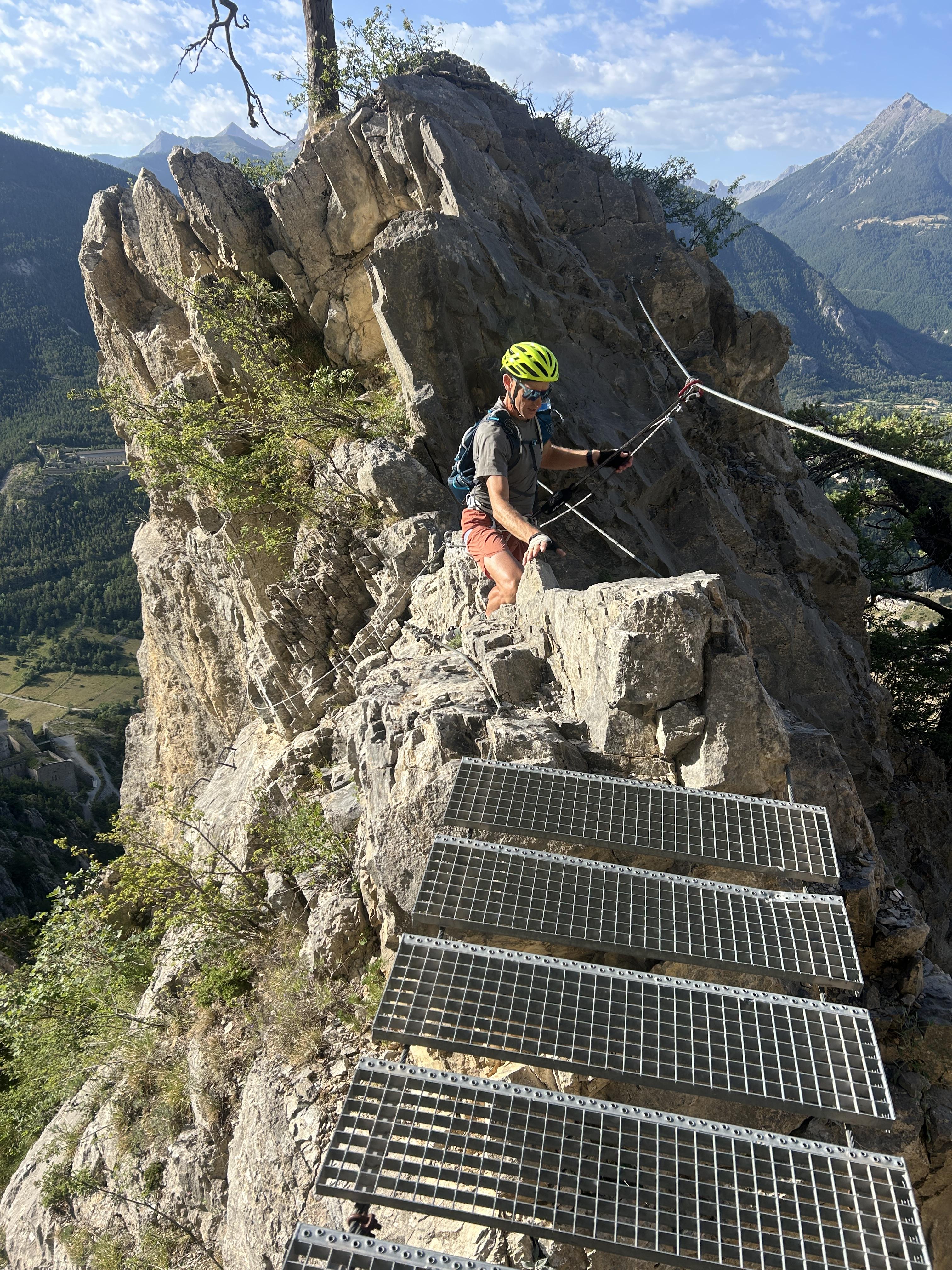
Before we even got on our bikes, we decided to start the trip with a little adrenaline. A morning via ferrata on the Croix de Toulouse took us high above the city. Looking out over Briançon from the cliffs, it felt like we were cheating a little—we hadn’t even started the bike ride yet and already had spectacular views.
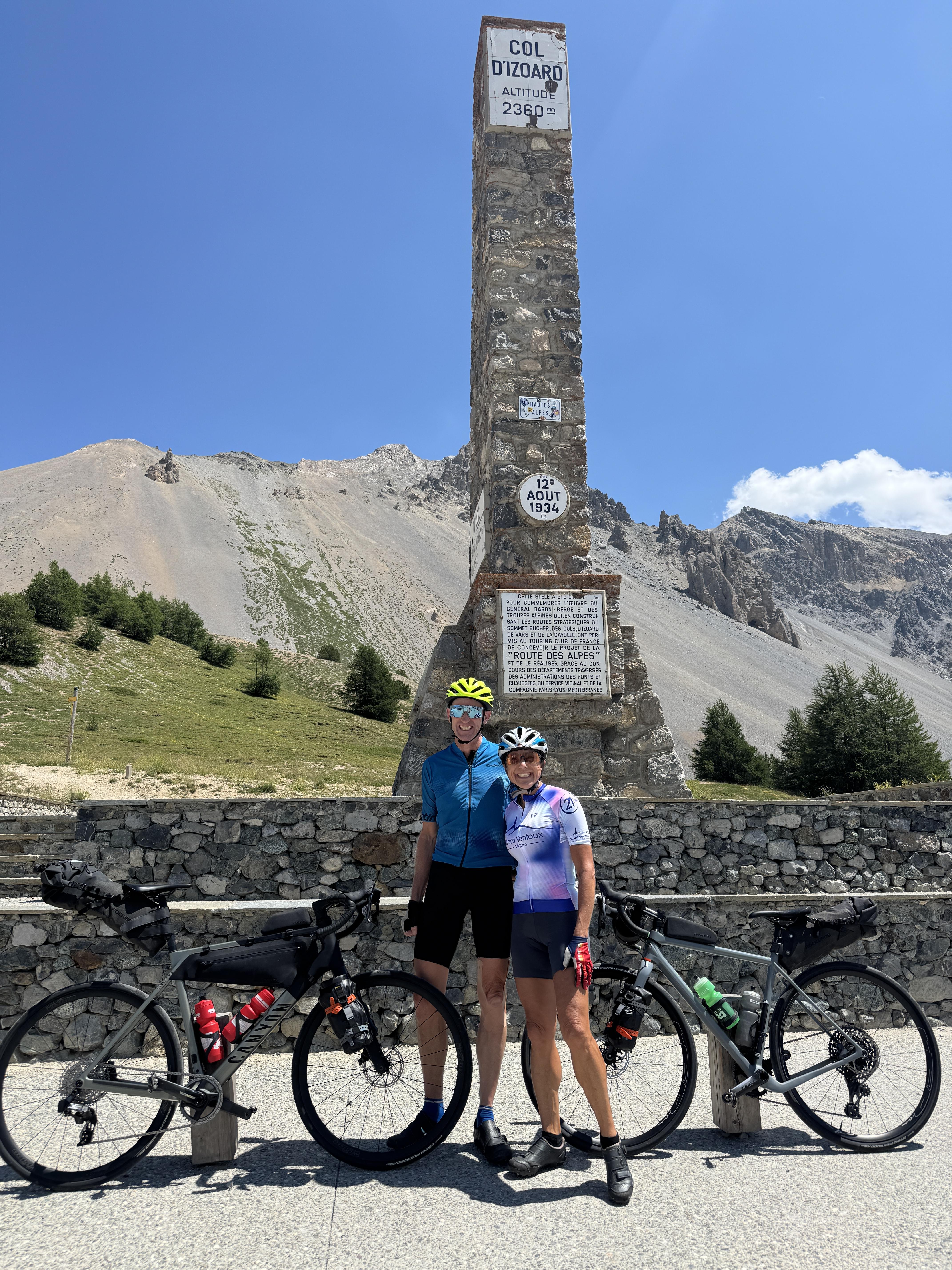
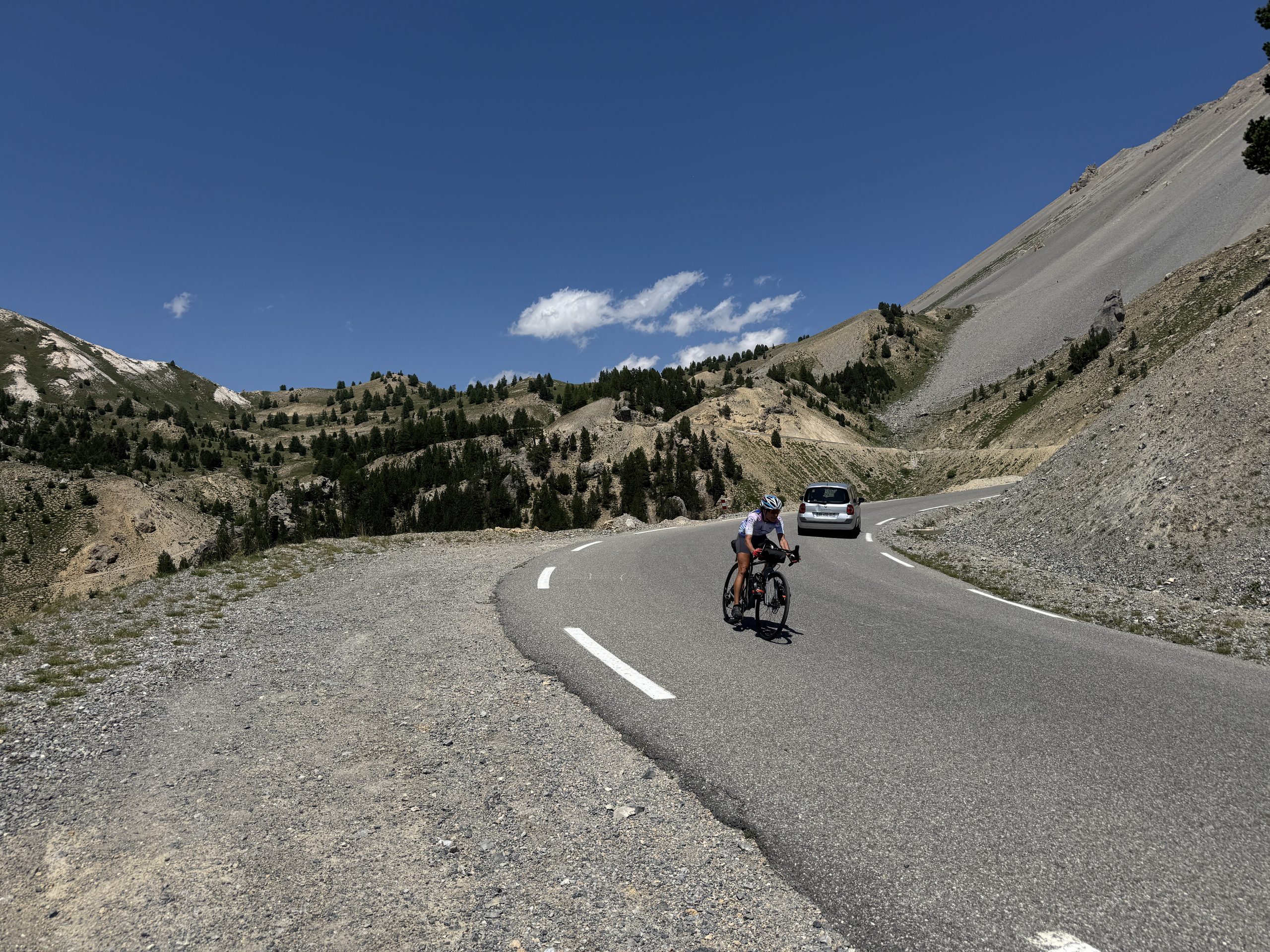
And our first big objective was waiting for us: Col d’Izoard. The climb rises more than 1,100 meters over roughly 19 kilometers and has appeared dozens of times in the Tour de France as well as the Giro d’Italia. Knowing we were riding a road that has been part of cycling history so many times made the climb feel different.
Then came the Casse Déserte. Near the summit, the landscape changes dramatically. The trees disappear and the mountains become barren and almost lunar. After spending so much of the climb surrounded by green alpine scenery, suddenly it felt like we had entered another world.
We stopped for the obligatory photos.
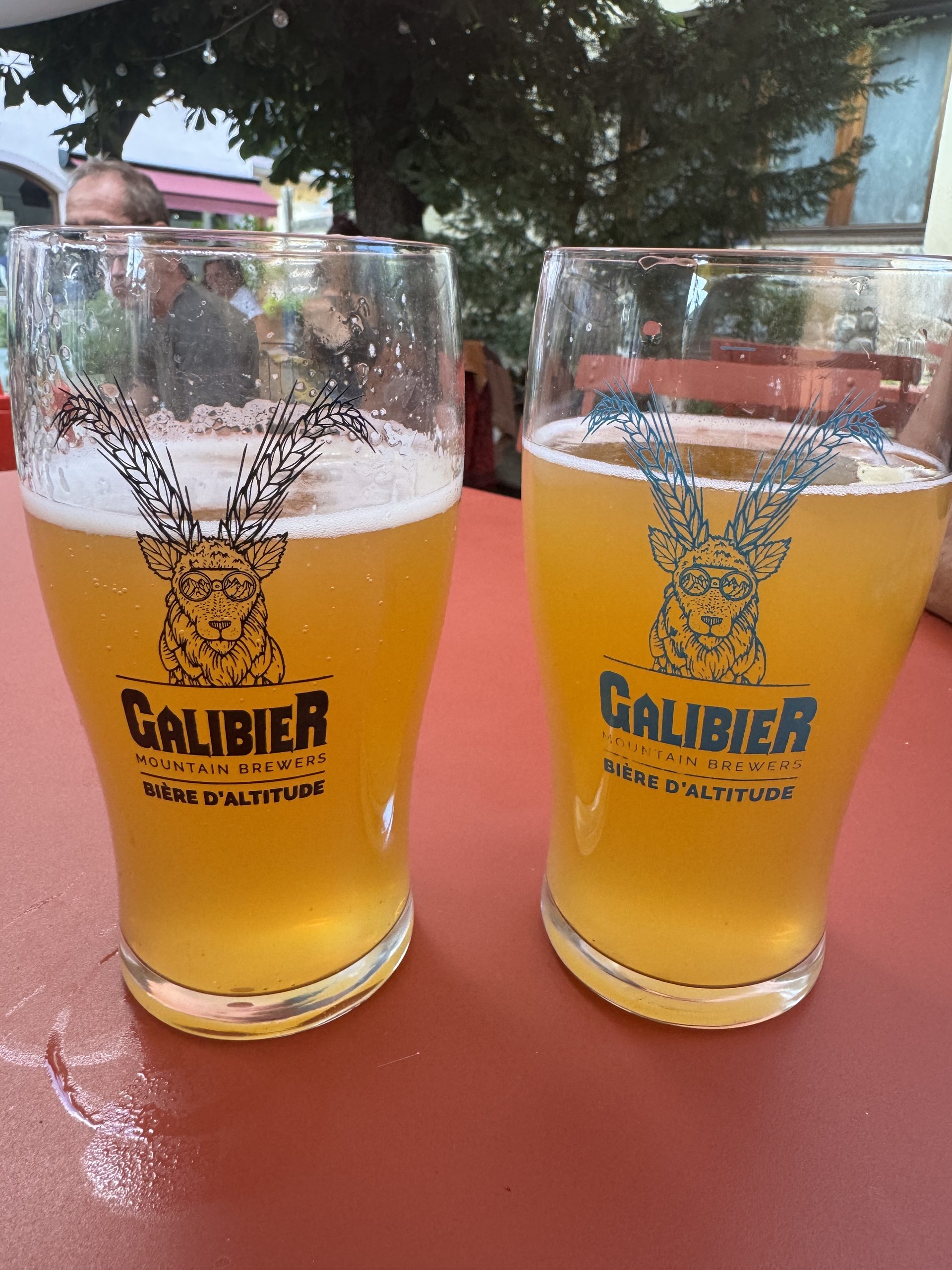
After the long descent, we reached Aiguilles, a small mountain village tucked into the Queyras. We celebrated our first day with pizza and a beer in the town square, tired and happy and already beginning to realize that this was going to be one of those trips where the end of the ride was just as important as the ride itself.
Day 2: Crossing Into Italy — Col Agnel
85.7 km | 2,025 m elevation gain
The next morning, the Alps gave us another challenge – Col Agnel. At more than 2,700 meters, Col Agnel is one of the highest paved passes in the Alps. The climb stretches for roughly 20 kilometers and gains more than 1,300 meters.
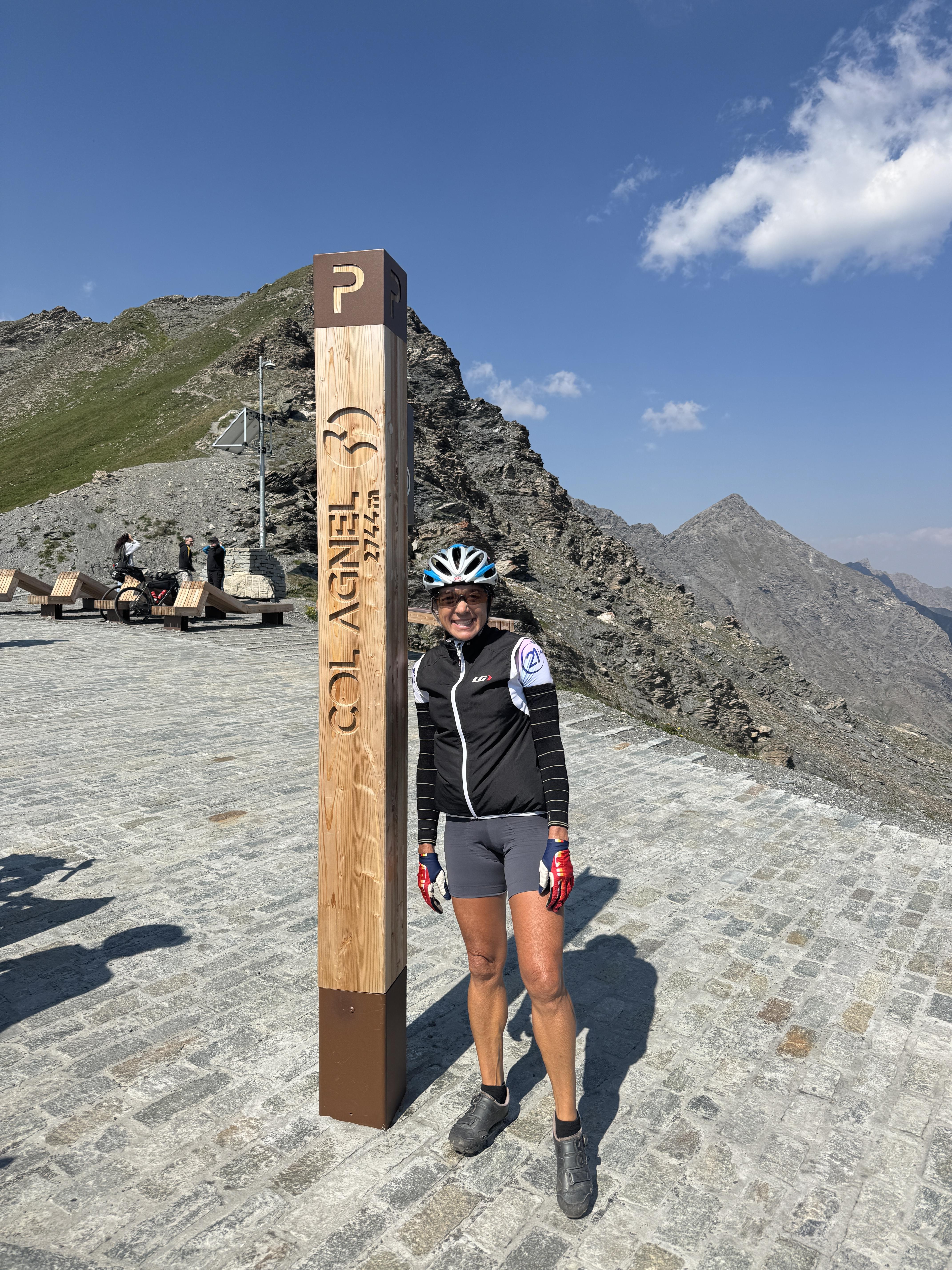
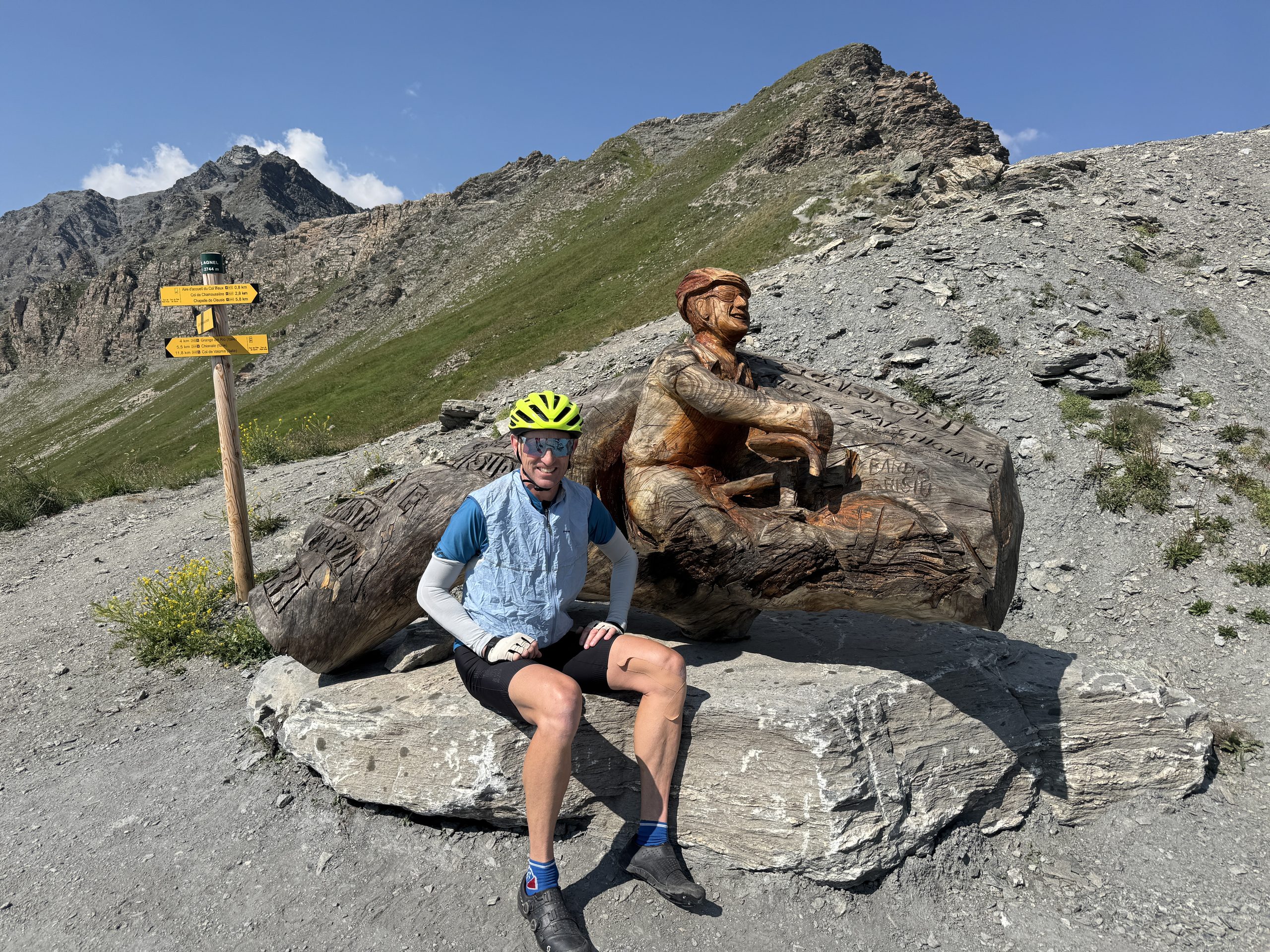
From the summit, the road dropped toward Italy. Nearly 40 kilometers of descending carried us into the Valle Varaita and eventually to the tiny village of Melle.
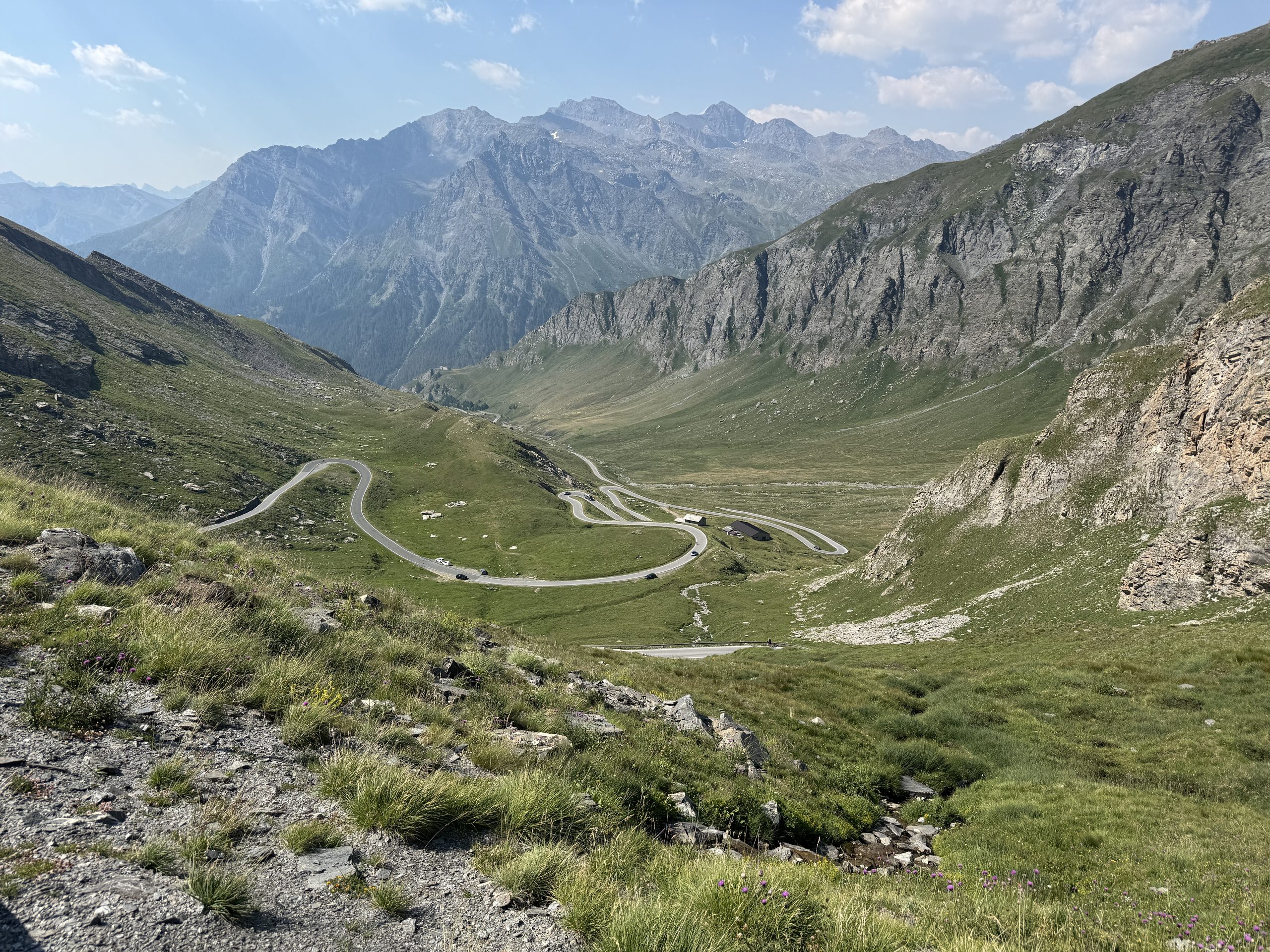
There was something satisfying about crossing an international border entirely under our own power. One minute we were riding through the French Alps; the next we were rolling through narrow Italian streets lined with stone buildings.
That evening we sat down to homemade tagliatelle, stuffed focaccia, prosecco, and gelato. If Day 1 had introduced us to the mountains, Day 2 introduced us to one of the great rewards of bikepacking in Italy.
Day 3: Orchards, Heat, and a Grocery Store Dinner
109 km | 901 m elevation gain
After two days of climbing, we were ready for a recovery day. The Alps had other ideas.
Instead of huge mountain passes, we spent hours riding through seemingly endless orchards filled with plums, nectarines, and apples. The terrain was mostly flat, but the heat and humidity made the day feel much harder than the elevation profile suggested.
Unfortunately, our carefully planned Italian dinner wasn’t going to happen. Both restaurants in town were closed. So our Italian evening turned into a twelve-kilometer grocery-store expedition. We returned to our hotel with whatever we could find at the grocery store and ate a picnic dinner at an otherwise empty property where, as far as we could tell, we were the only guests.
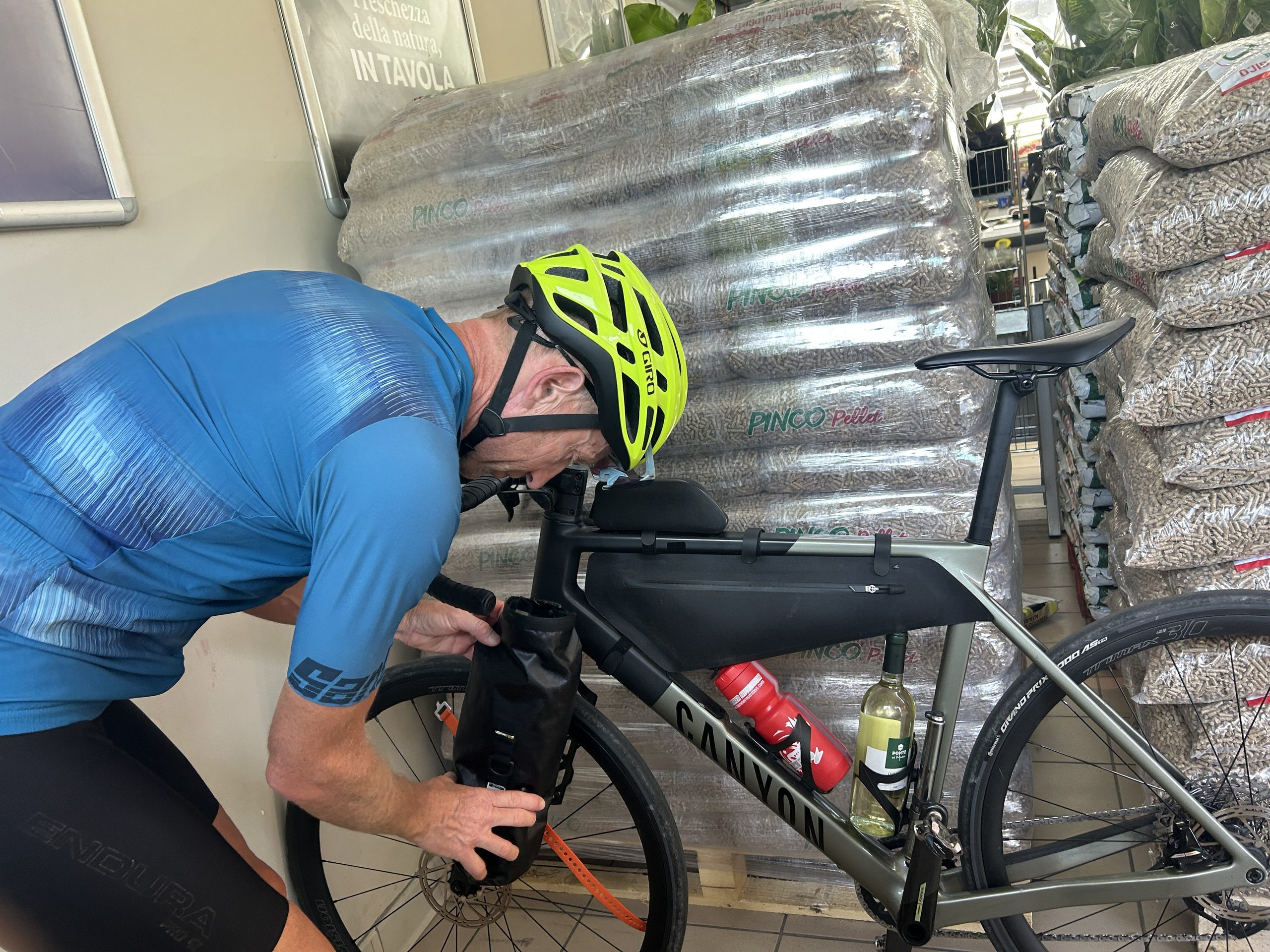
It wasn’t the dinner we’d imagined but it was one of the dinners we would remember.
Earlier that day, we had also stumbled across something completely unexpected in Saluzzo. During a coffee and pastry stop, we discovered that we had arrived just as an ultramarathon was finishing. Runners had been tackling either 50 or 160 kilometers through the surrounding region, with the race beginning in the village where we had spent the previous night.
Day 4: Gravel and Glory — Colle delle Finestre
70.2 km | 1,895 m elevation gain
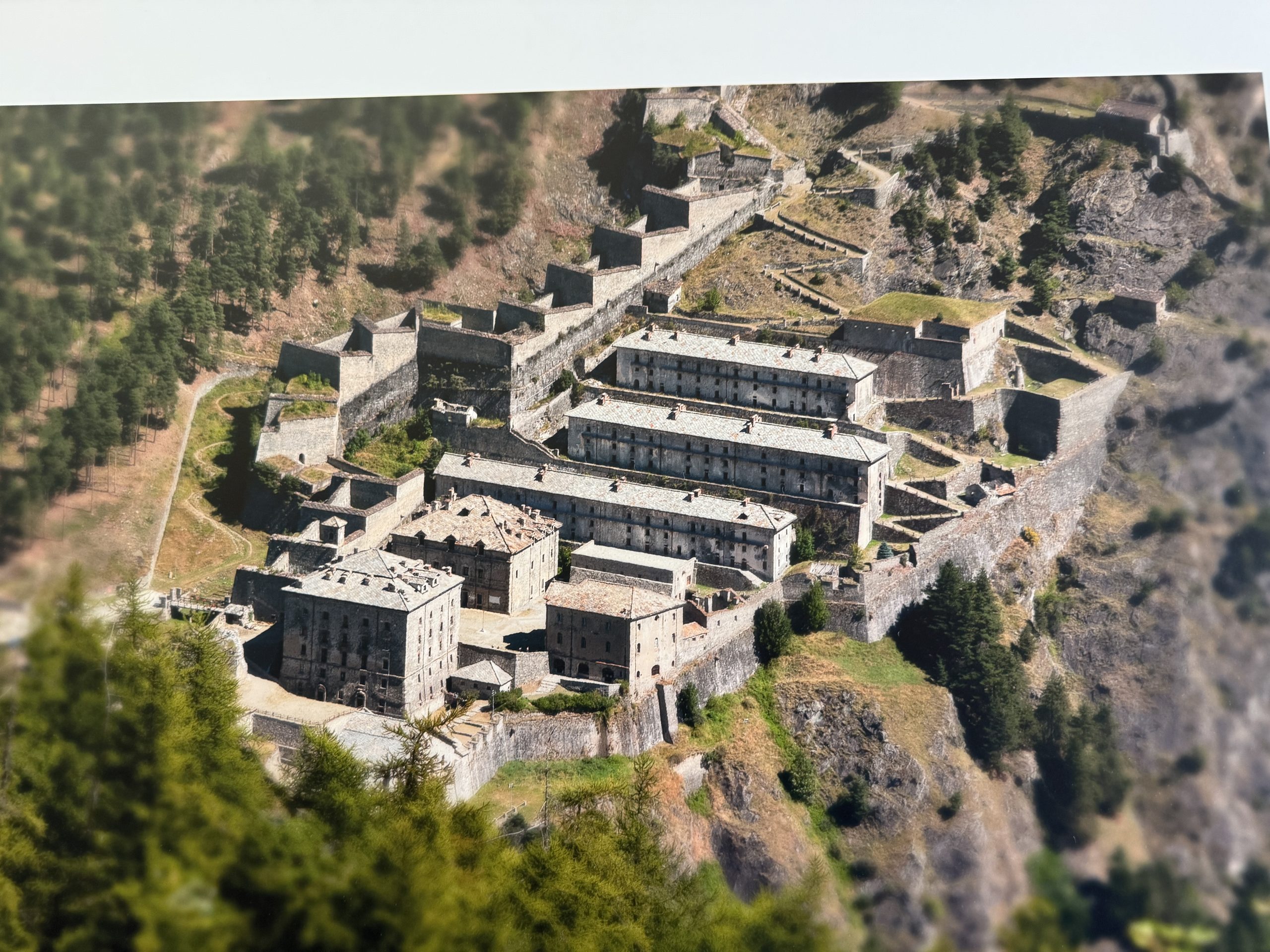
Day four turned into one of our favorite days of the entire trip. We detoured off our route and visited Forte di Fenestrelle, an enormous fortress built over 122 years that stretches for nearly three kilometers up the mountainside.
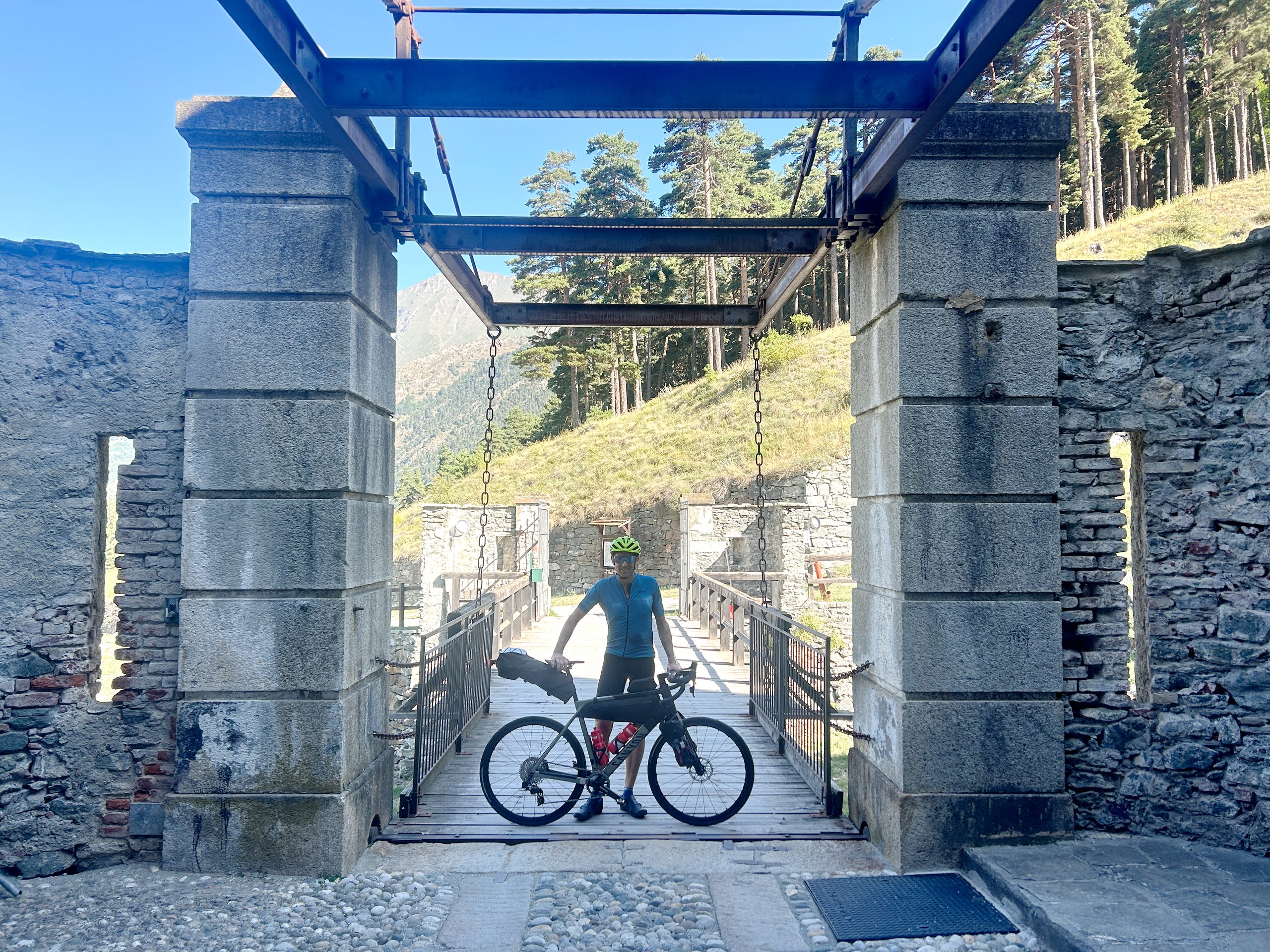
From there, it was time for the main event: Colle delle Finestre. For cycling fans, Finestre is legendary. The upper portion of the climb is unpaved, with roughly 10 kilometers of gravel winding through the mountains.
We weren’t quite sure what to expect. Fortunately, the gravel was far more manageable than we had imagined.
And then came the descent. Switchback after switchback dropped us toward the valley, with the road unfolding beneath us in a seemingly endless series of turns.
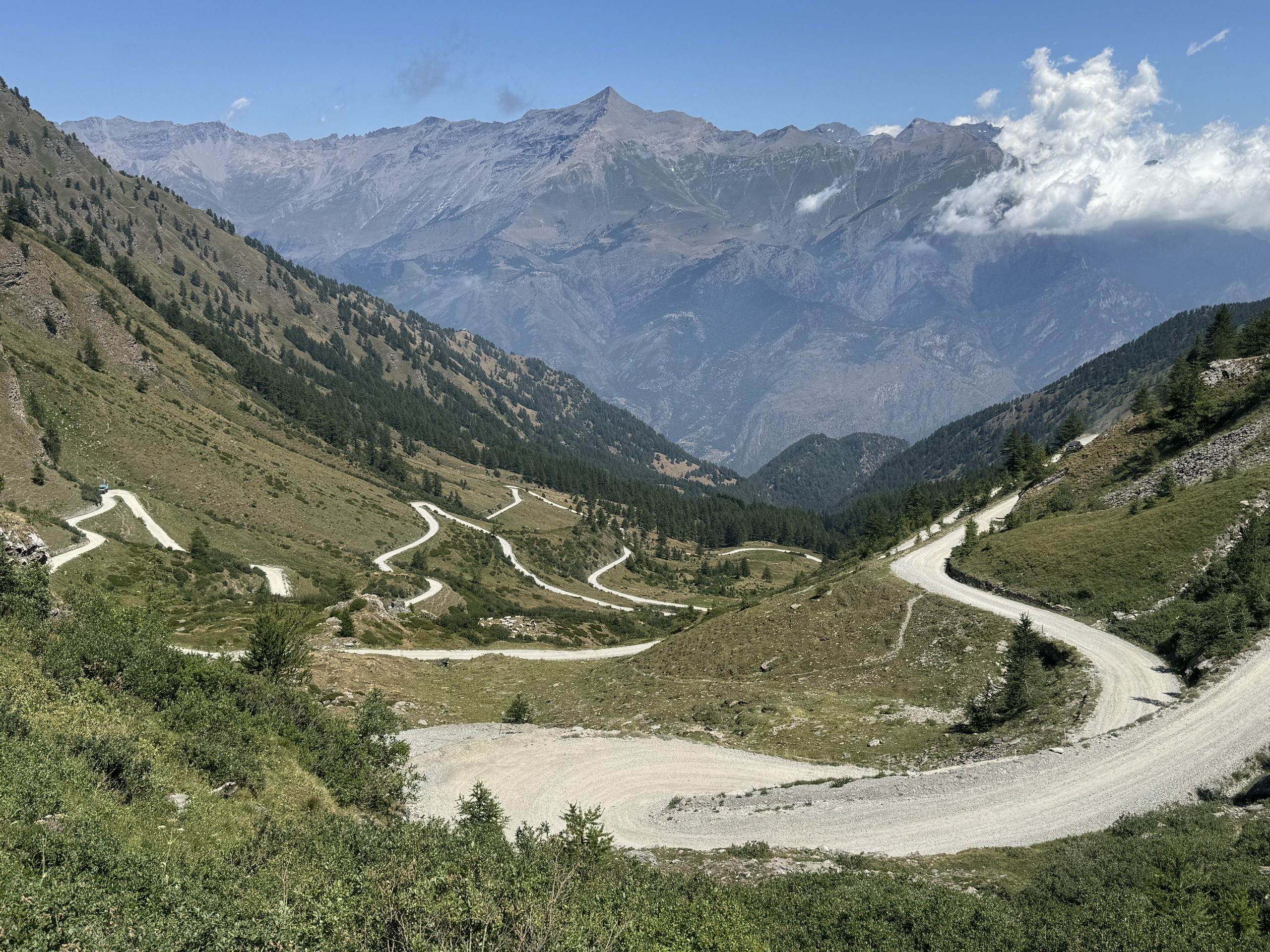
We arrived in Susa, where we would stay for two nights. Almost immediately, it became our favorite town of the bike tour.
Susa has been an important crossroads between France and Italy since Roman times, and its history is everywhere—Roman ruins, medieval churches, old streets, and lively cafés.
After spending days moving from place to place, having two nights in the same town felt luxurious.
And after the day’s ride, Susa felt like exactly the place we wanted to be.
It was one of those days when every turn seemed to reveal something better than the last.
Day 5: The Big Loop Around Susa
100.5 km | 2,540 m elevation gain
The advantage of staying in Susa was that we could leave our bags behind.
Our route climbed gradually toward Sestriere, gaining more than 1,600 meters over more than 50 kilometers. It was almost more deceptive than that—long stretches of climbing broken up by brief reprieves before the road pointed upward again. Eventually we reached Sestriere, famous as a host venue for the 2006 Winter Olympics. The Olympic legacy was still visible, although not necessarily in the way you’d expect. The abandoned ski jump towers stood as a reminder of how quickly the spotlight can move on once an event is over.
Then came the descent. And then, because apparently one massive climb wasn’t enough for the day, we turned around and started climbing again. We headed back toward Colle delle Finestre from the opposite direction before once again enjoying that incredible descent into Susa. It was a big day.
Day 6: Back to France Over Mont Cenis
82.7 km | 2,450 m elevation gain
Our route back into France took us over Col du Mont Cenis. Of all the passes we rode during the week, Mont Cenis may have been the most visually spectacular. As we climbed, the mountains opened up around us until Lac du Mont Cenis appeared below, its vivid blue water standing out against the surrounding peaks.
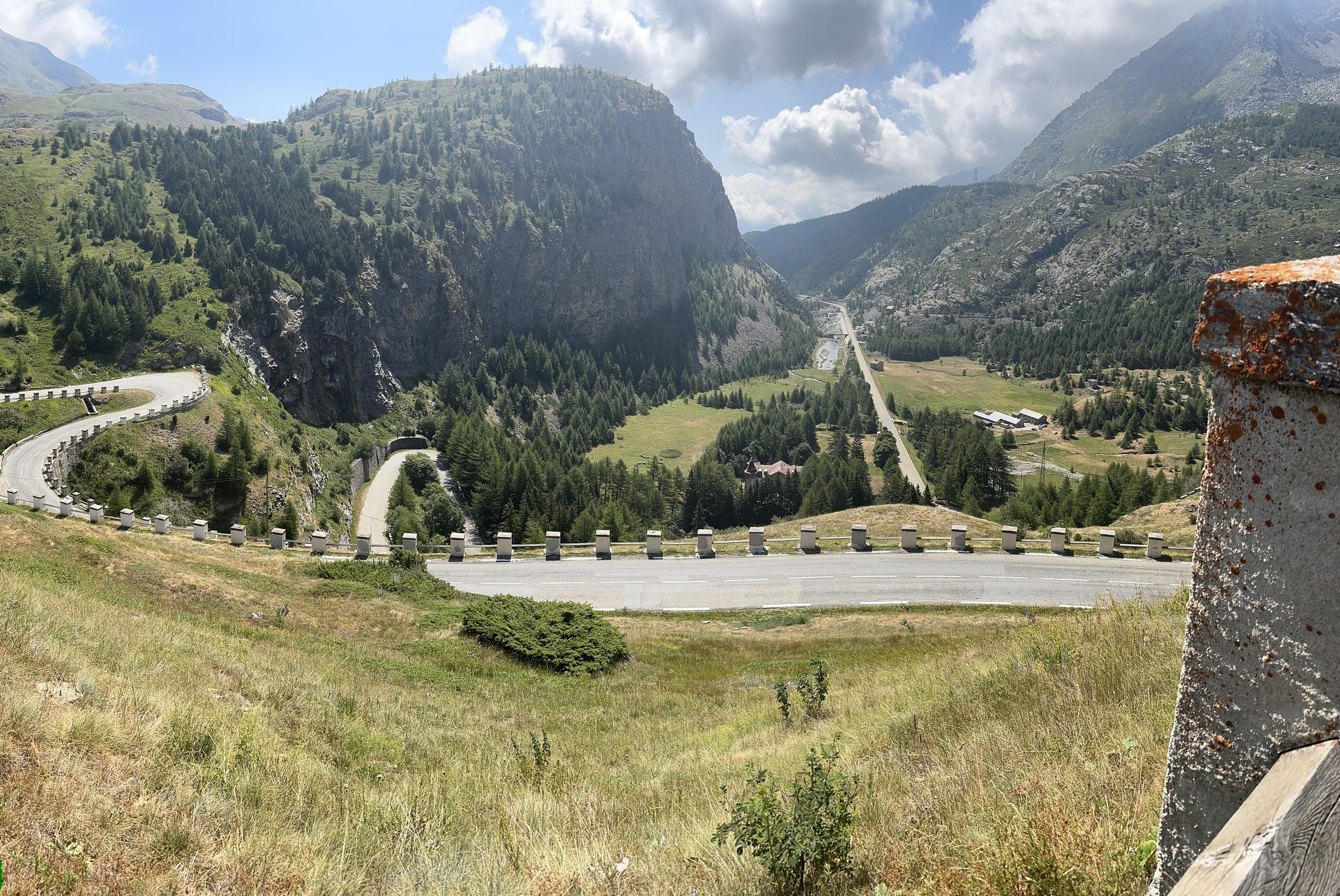
There were waterfalls along the route, beautiful stretches of road, and views that made us want to stop every few minutes.
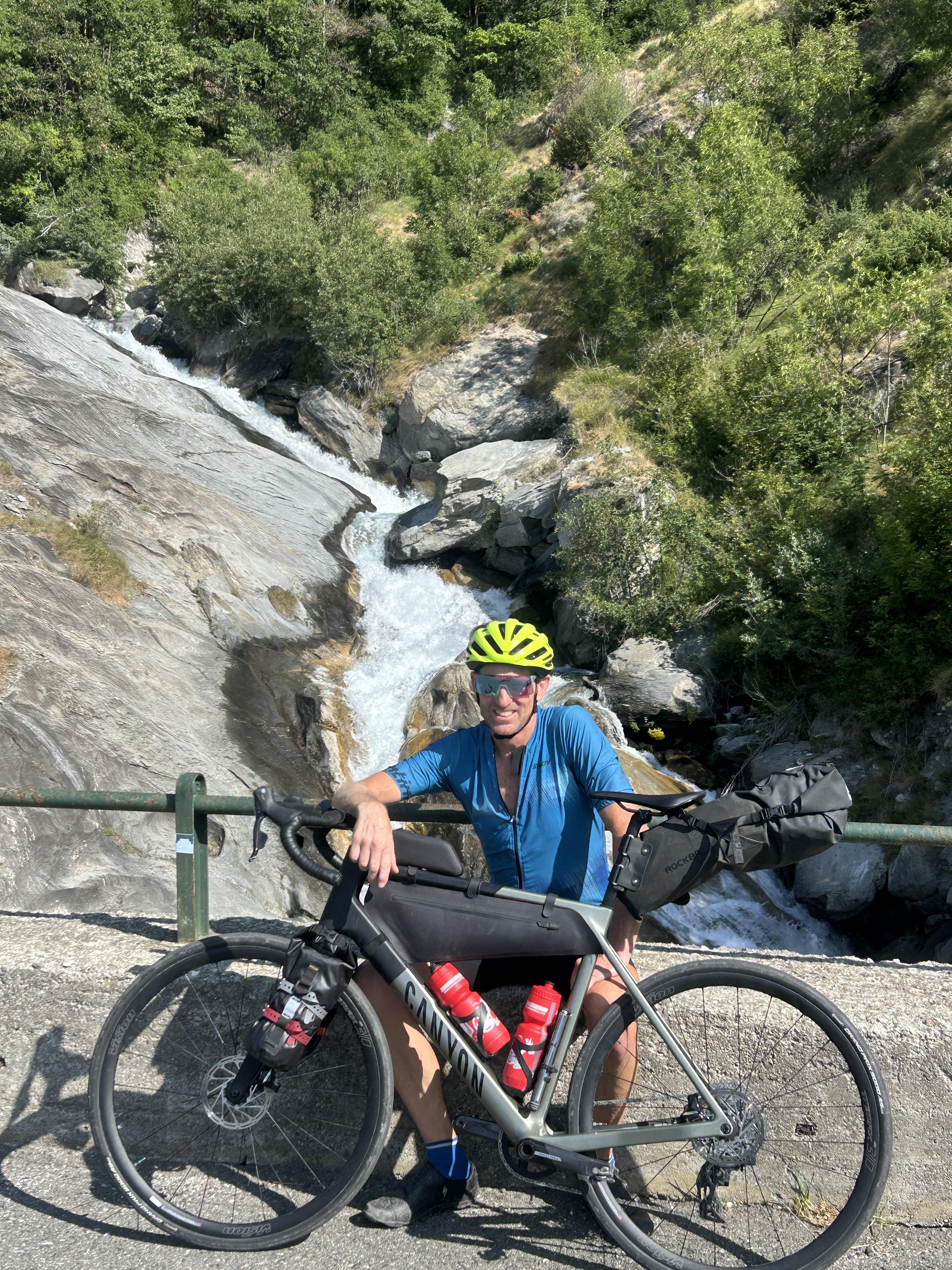
We also discovered one of the great rules of cycling in the Alps: If you see a fromagerie, stop. We stopped, sampled some incredible cheese, and bought enough to make sure we had some for later.
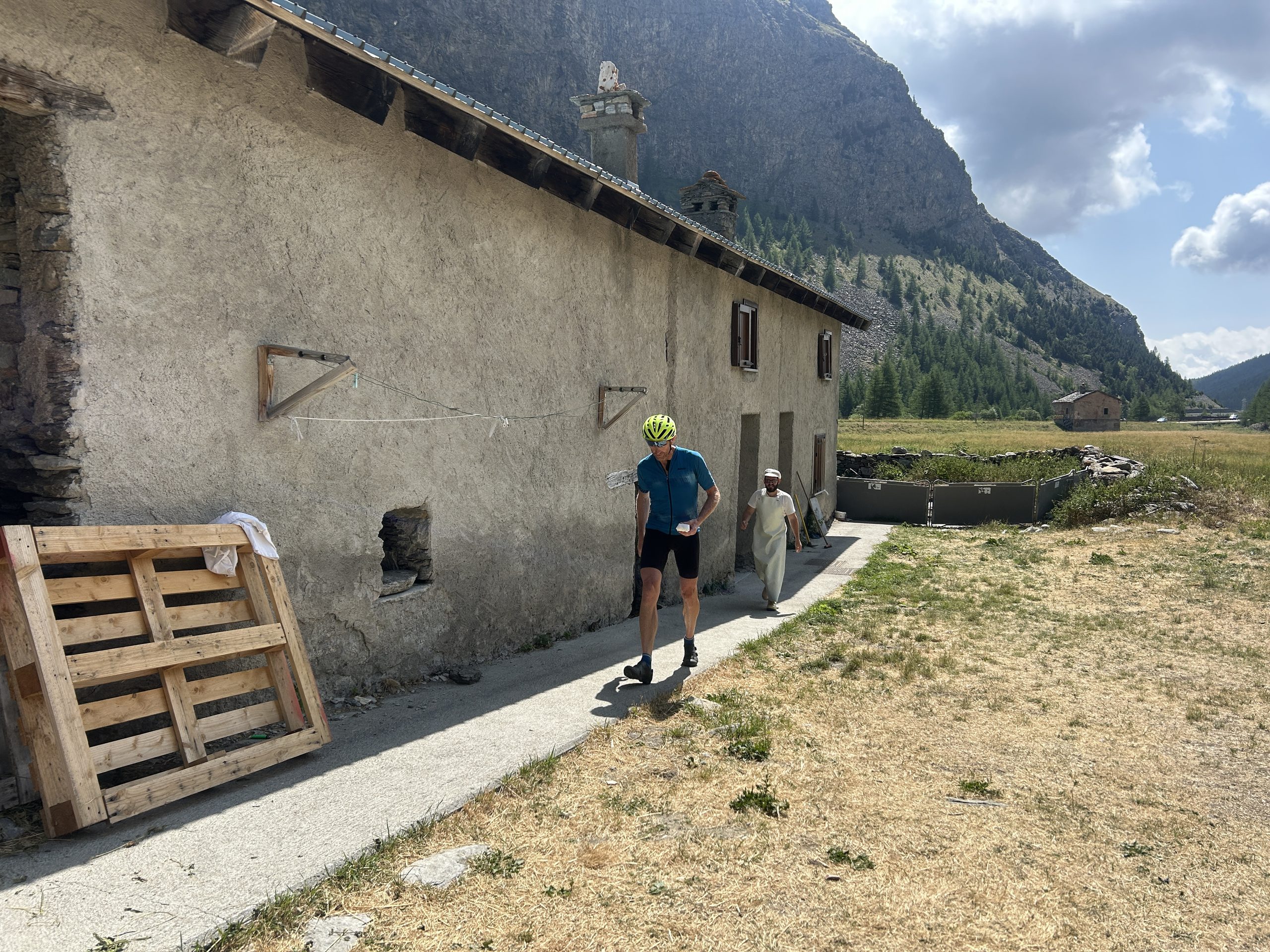
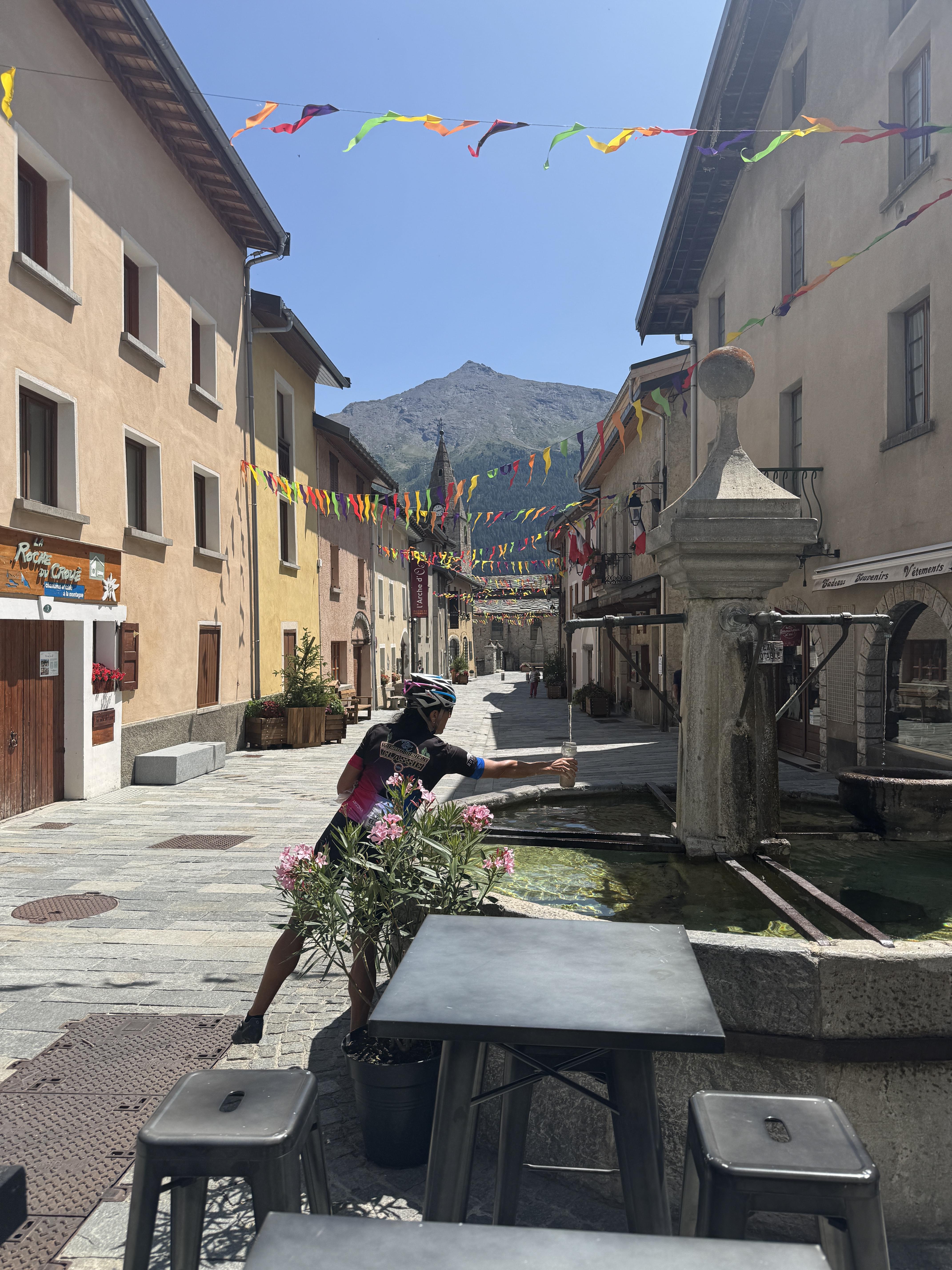
Eventually, we rolled into Modane. After the small, picturesque villages we’d been staying in, Modane felt surprisingly large, with its substantial train station and more urban feel.
But the day’s reward was waiting at dinner – Tartiflette. Rich, warm, cheesy French mountain food was exactly what we needed after another long day in the saddle.
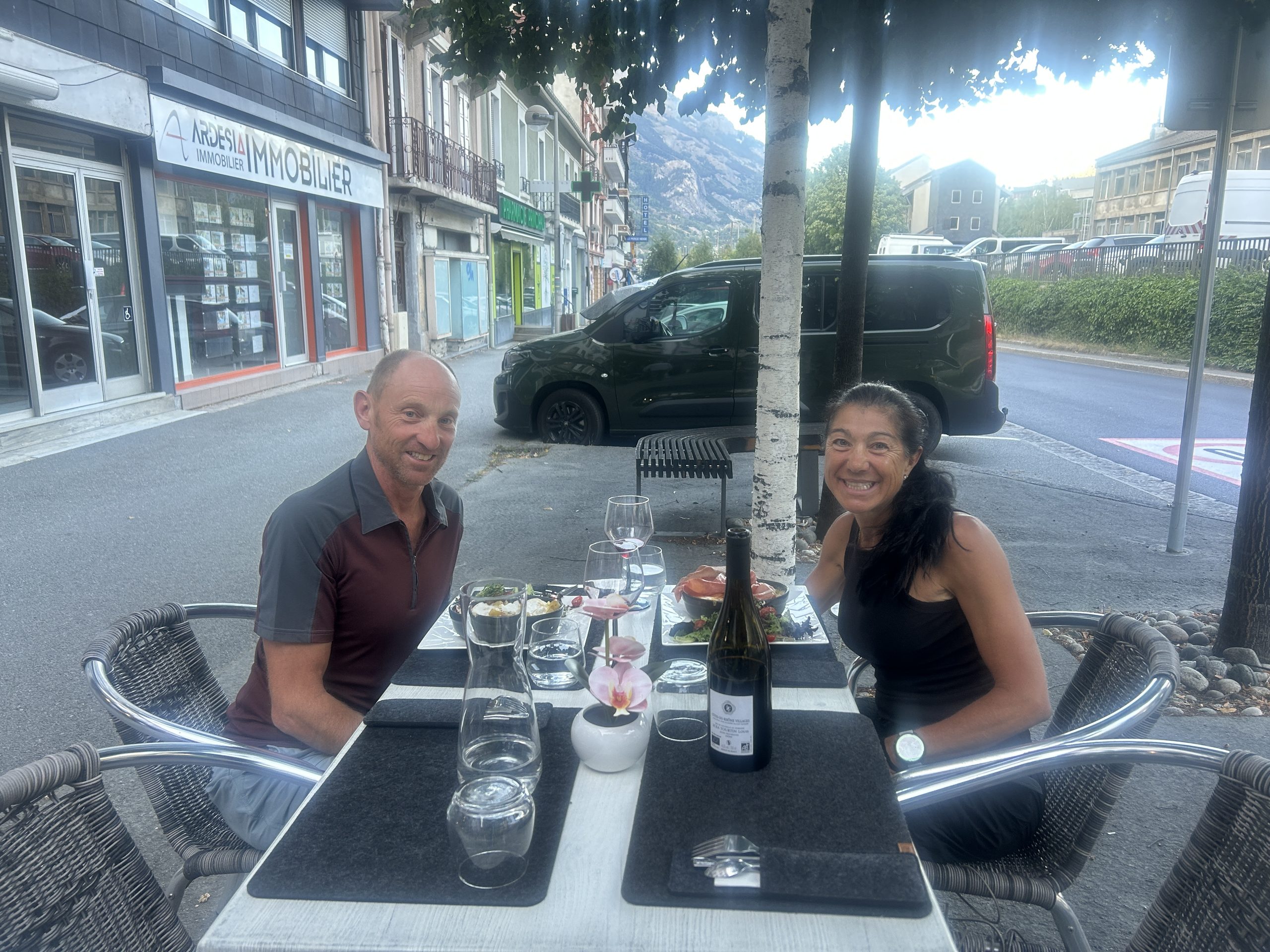
The next morning would be our final day and we had saved one of the biggest climbs for last.
Day 7: The Grand Finale — Col du Télégraphe and Col du Galibier
88.3 km | 2,170 m elevation gain
Every great cycling trip deserves a grand finale and ours was Col du Telgraphe and Col du Galibier.
By this point, we had learned that climbing a famous mountain pass isn’t really about the summit. It’s about the road leading there—the changing landscape, the anticipation, the little moments when you look back and realize how far you’ve climbed. Galibier delivered all of it.
The road climbed steadily through increasingly dramatic terrain until the mountains seemed to surround us from every direction. Then we reached the final kilometers.
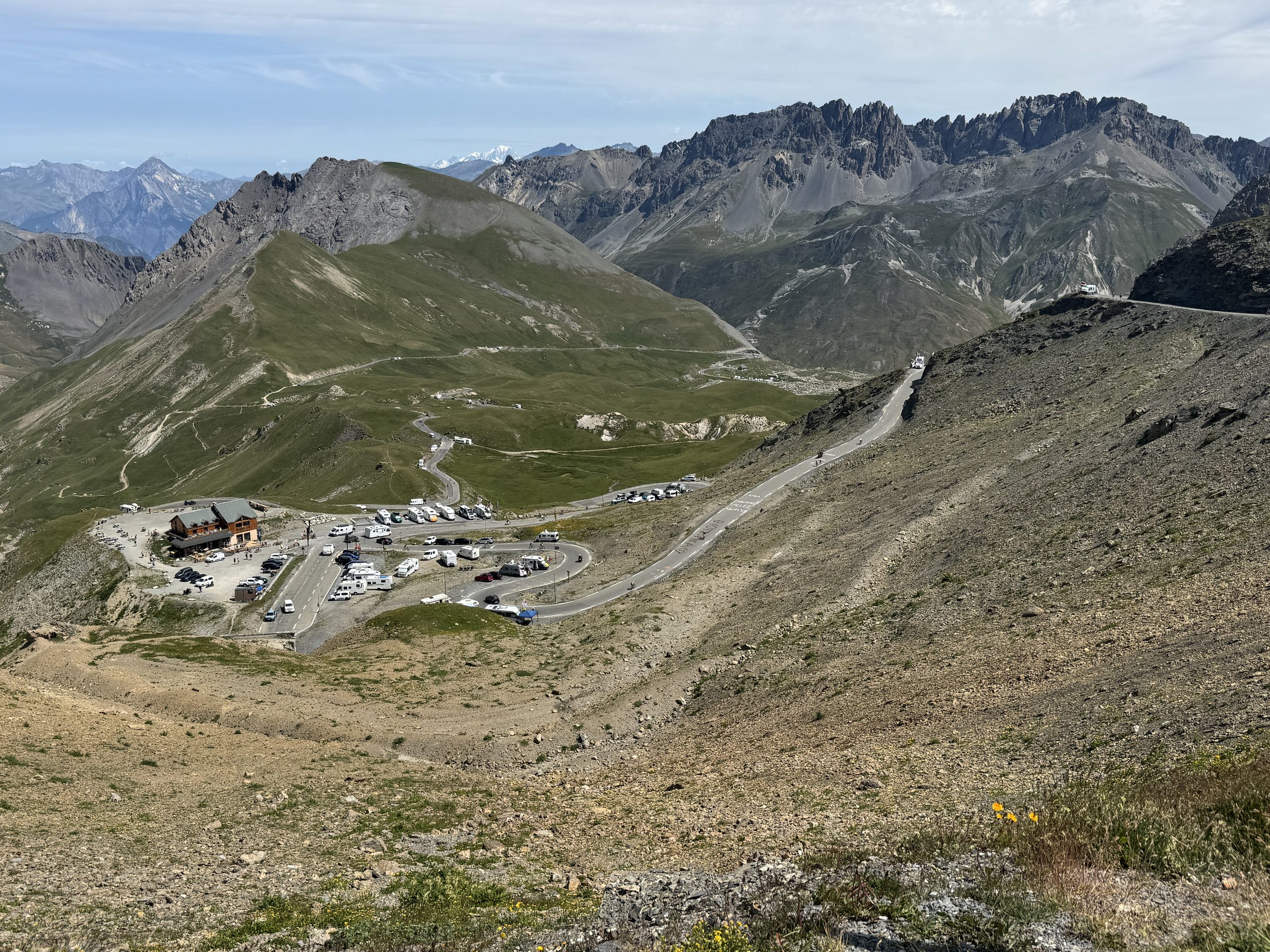
The summit was chaos. Hundreds of cyclists had made their way to the top, and everyone seemed to be taking a break before beginning the descent. It was also unbelievably cold. We tried to eat our sandwiches but we couldn’t and started descending just to find a little warmth.
We had ridden part of the same route that the Tour de France would race just two days later. As we ascended we saw people were setting up along the roads. Spectators were finding places to camp. The quiet mountain roads we’d just ridden were about to become one of the biggest stages in professional cycling.
From Galibier, we crossed Col du Lautaret and enjoyed the long descent back toward Briançon.
Seven days earlier, we had left Briançon with fully loaded bikes and a route ahead of us. Now we were rolling back into town.
One More Tour de France Stage in the Alps
We weren’t quite finished with the Tour de France. After spending a week riding through the mountains—and riding part of the same route the race would use—we couldn’t resist seeing another stage in person.
The day before the race brought another adventure of its own.
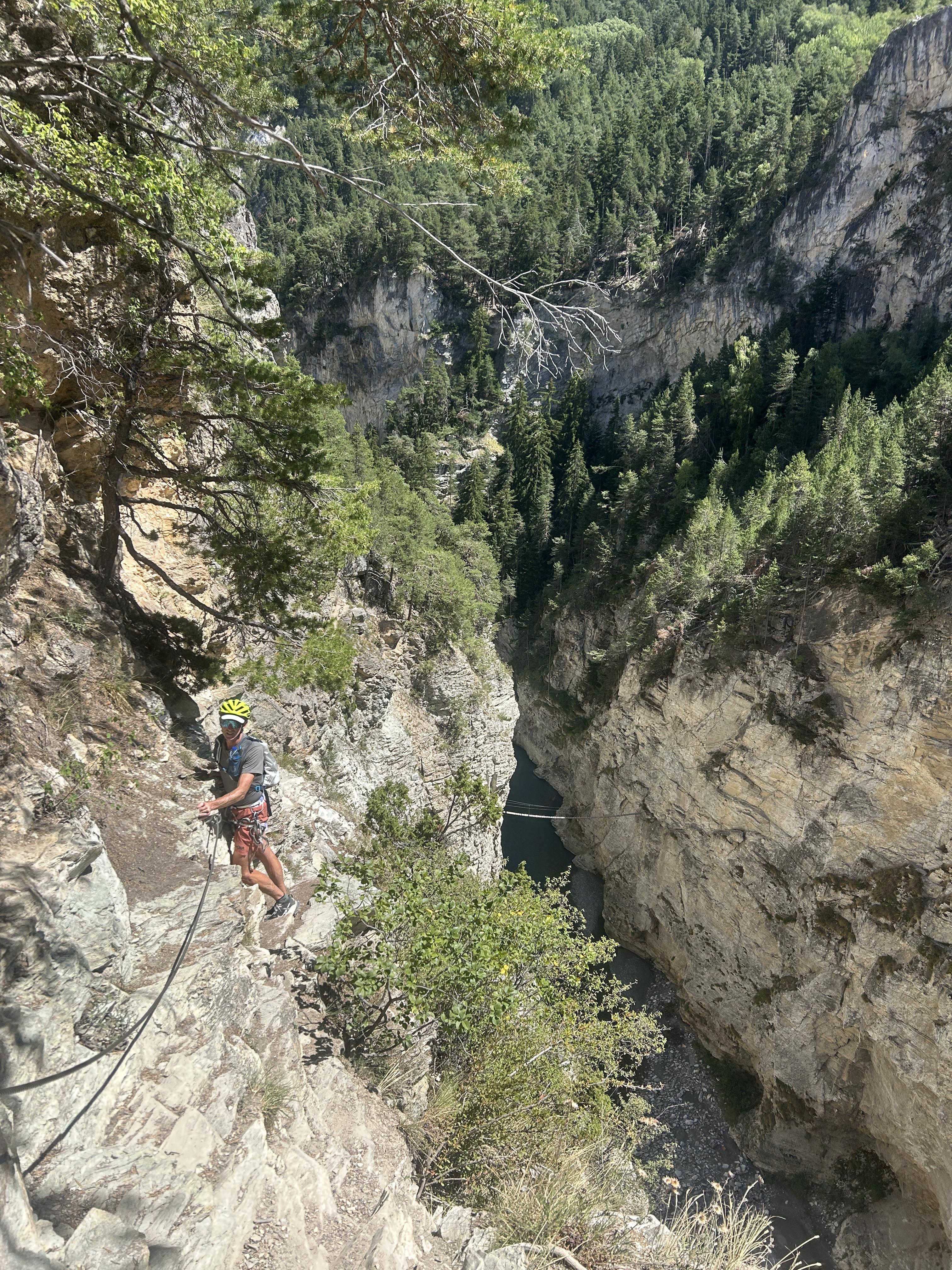
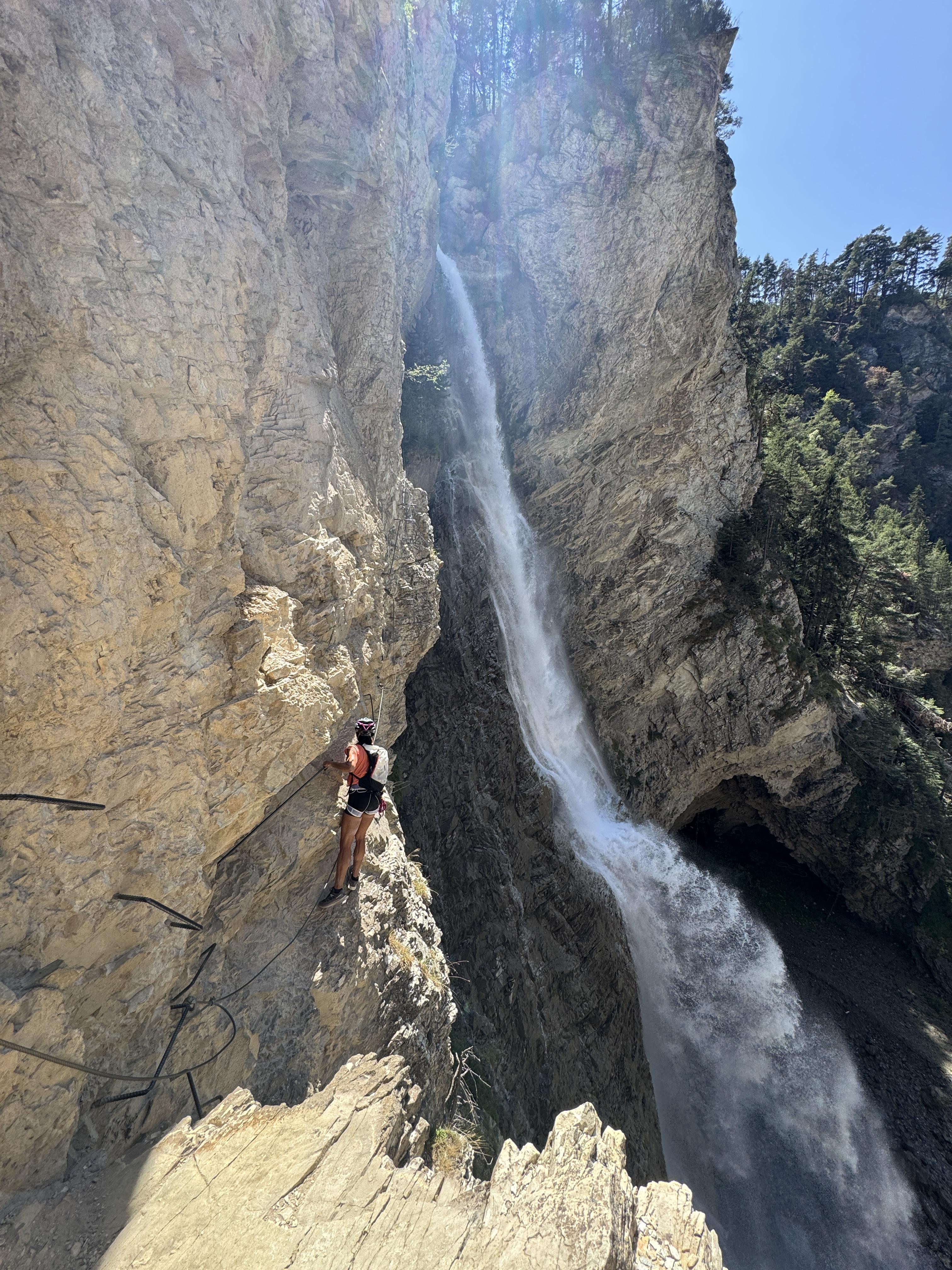
We headed to Via Ferrata du Diable, an incredible climbing route high above the valley. Unlike most via ferratas we’d done, this one began by going downhill which turned out to be a little unnerving. Instead of climbing up and gaining confidence as we went, we were immediately descending exposed rock faces, carefully working our way across bridges, ladders, cables, and eventually alongside a huge waterfall. It was beautiful. And it required a lot more concentration than we’d expected.
Then, as if the trip hadn’t already provided enough surprises, that night we discovered a problem with Chad’s bike. When we took the bikes out of the car, we realized the front hub had completely failed. What we hoped would be a quick repair turned into hours of frustration. Fortunately, we were meeting Nick, Britta, and the boys to watch the Tour, and Nick came through with a wheel that allowed us to keep our plans. So the next day, instead of worrying about the broken bike, we headed to Col du Télégraphe.
Thousands of fans lined the climb. Flags waved overhead. The Tour caravan came through, throwing souvenirs into the crowd. People from countries all over the world stood shoulder to shoulder on the mountain. We found a great spot on one of the switchbacks and settled in with Nick, Britta, and the boys.
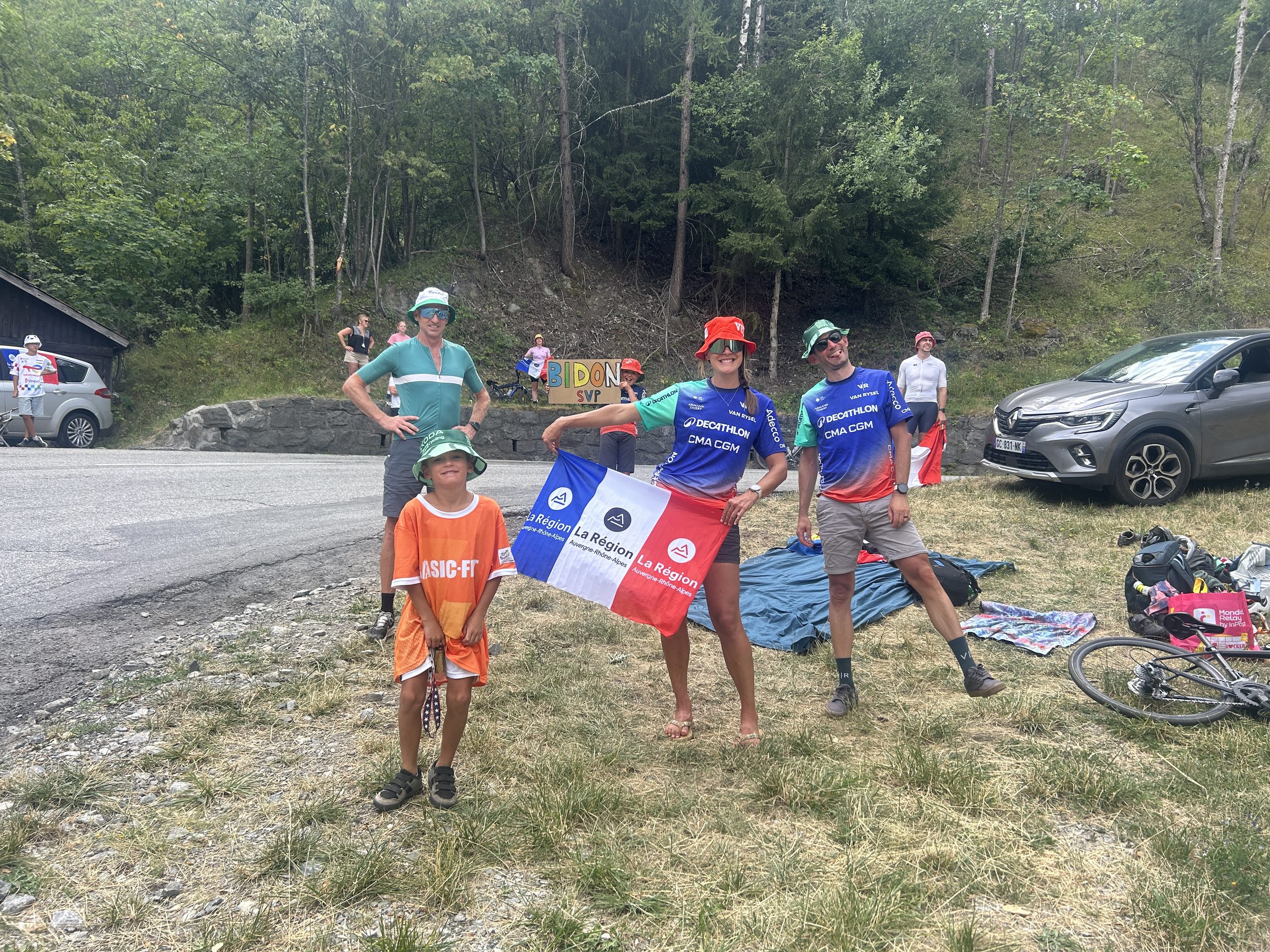
And then, after hours of waiting, the peloton appeared. It was over almost before we had time to process it. The riders flew past at an incredible speed, climbing the same road that had taken us so much effort.
After spending a week riding these mountains ourselves, seeing professional cyclists race up them was almost surreal. What had felt impossibly steep to us somehow looked almost flat beneath the wheels of the pros.
Our spot had been so good that we ended up appearing on the U.S. television coverage.
We headed back to Orelle and celebrated with Nick, Britta, and the boys over another fantastic French meal—salad, gnocchi, and duck confit.
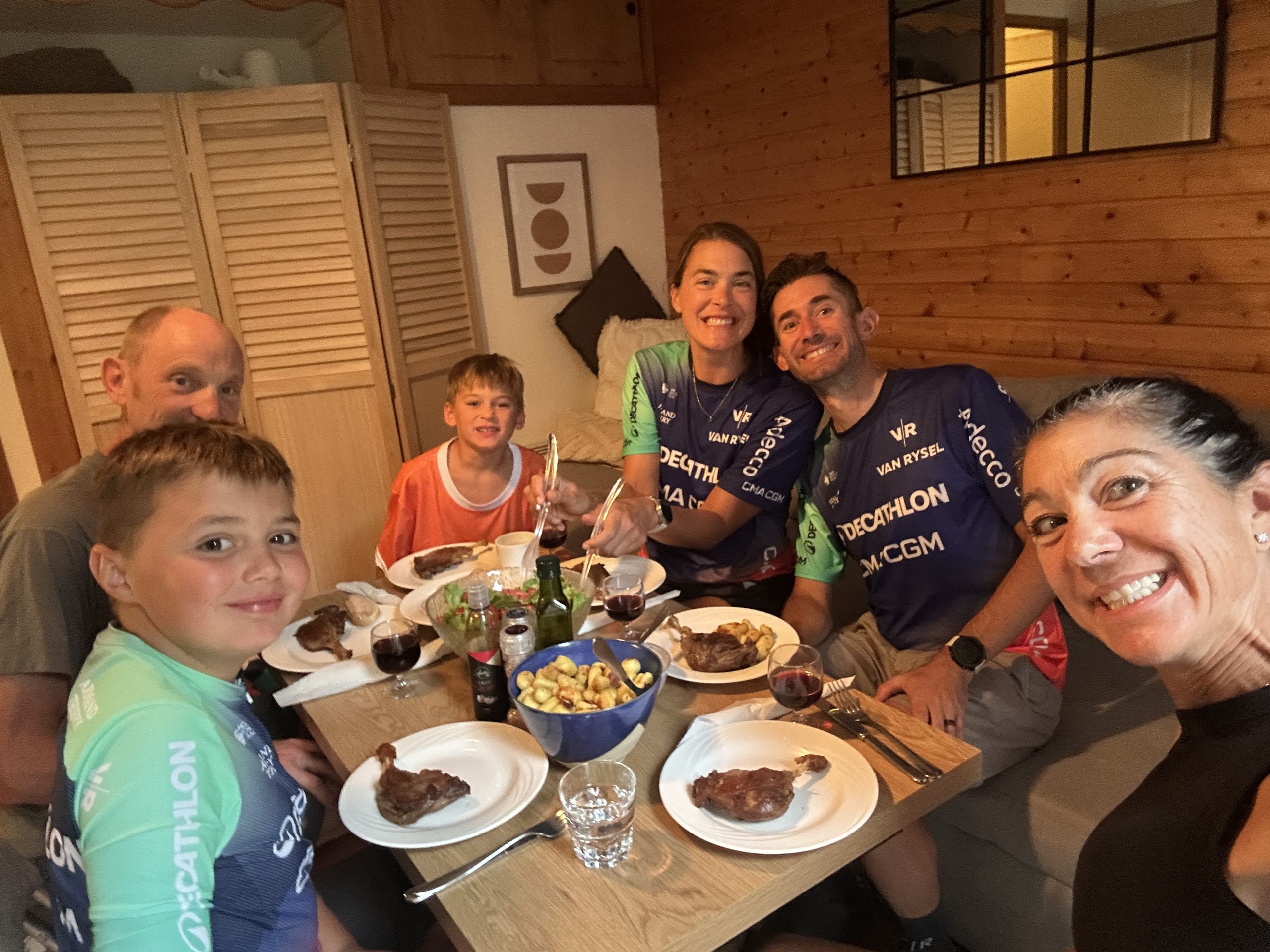
It was the perfect ending to a couple of days that had included a via ferrata, a broken bike, a borrowed wheel, thousands of Tour fans, and the world’s best cyclists racing past us.
Final Thoughts
When we first imagined this trip, we pictured the famous climbs.
- Izoard – Agnel – Finestre – Mont Cenis – Télégraphe – Galibier
We pictured ourselves standing at the summit, taking the obligatory photos, and then moving on to the next mountain. What we didn’t picture were the stories that would happen between them.
The grocery-store dinner because every restaurant in town was closed.
The unexpected ultramarathon finish.
The cheese shop on the side of the road.
The cold at the top of Galibier that made it impossible to eat our sandwiches.
And sitting with friends at the side of the road while thousands of people waited for the peloton to arrive.
Those are the moments that made the trip.
Over seven days of bikepacking, we rode:
585.8 km (364 miles)
13,521 meters (44,360 feet) of climbing
That’s a lot of kilometers and a lot of climbing.
But looking back, I don’t remember every kilometer.
I remember the switchbacks of Finestre.Looking across Lac du Mont Cenis.The barren landscape of the Casse Déserte on Izoard.Sitting in an empty hotel eating our grocery-store dinner.The energy of hundreds of people at the top of Galibier.The roar of the crowd as the Tour came through Télégraphe.
And most of all, I remember the people we shared it with.
The climbs were hard.
The descents were unforgettable.
Because in the end, a great bikepacking trip isn’t measured only in kilometers or elevation gain. It’s measured in the stories you bring home.
Leave a Reply