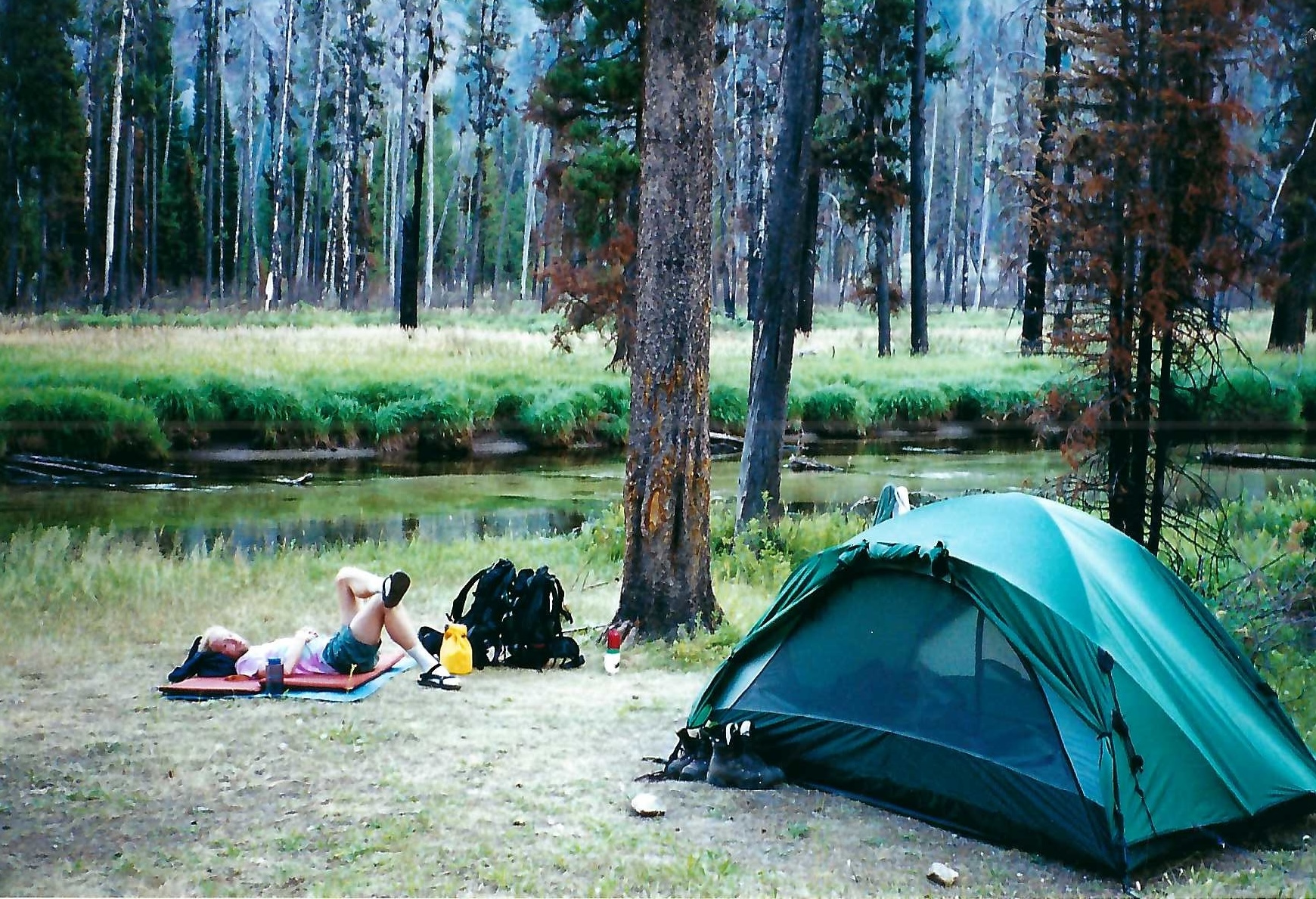
In college, we often camped with friends—but that camping was really just an excuse to drink beer all day. After grad school, we got into backpacking as a way to truly enjoy the outdoors and explore the amazing terrain of northern Minnesota. Fresh out of school, money was tight, so gear purchases revolved around affordability rather than performance. In the late 90s, lightweight innovations were rare. Affordable gear meant heavy gear: big tents, bulky sleeping bags, white gas stoves, and clunky aluminum cookware. It all added up quickly in both weight and bulk, leaving us with enormous backpacks. My pack often weighed more than 40 pounds for just a weekend trip.

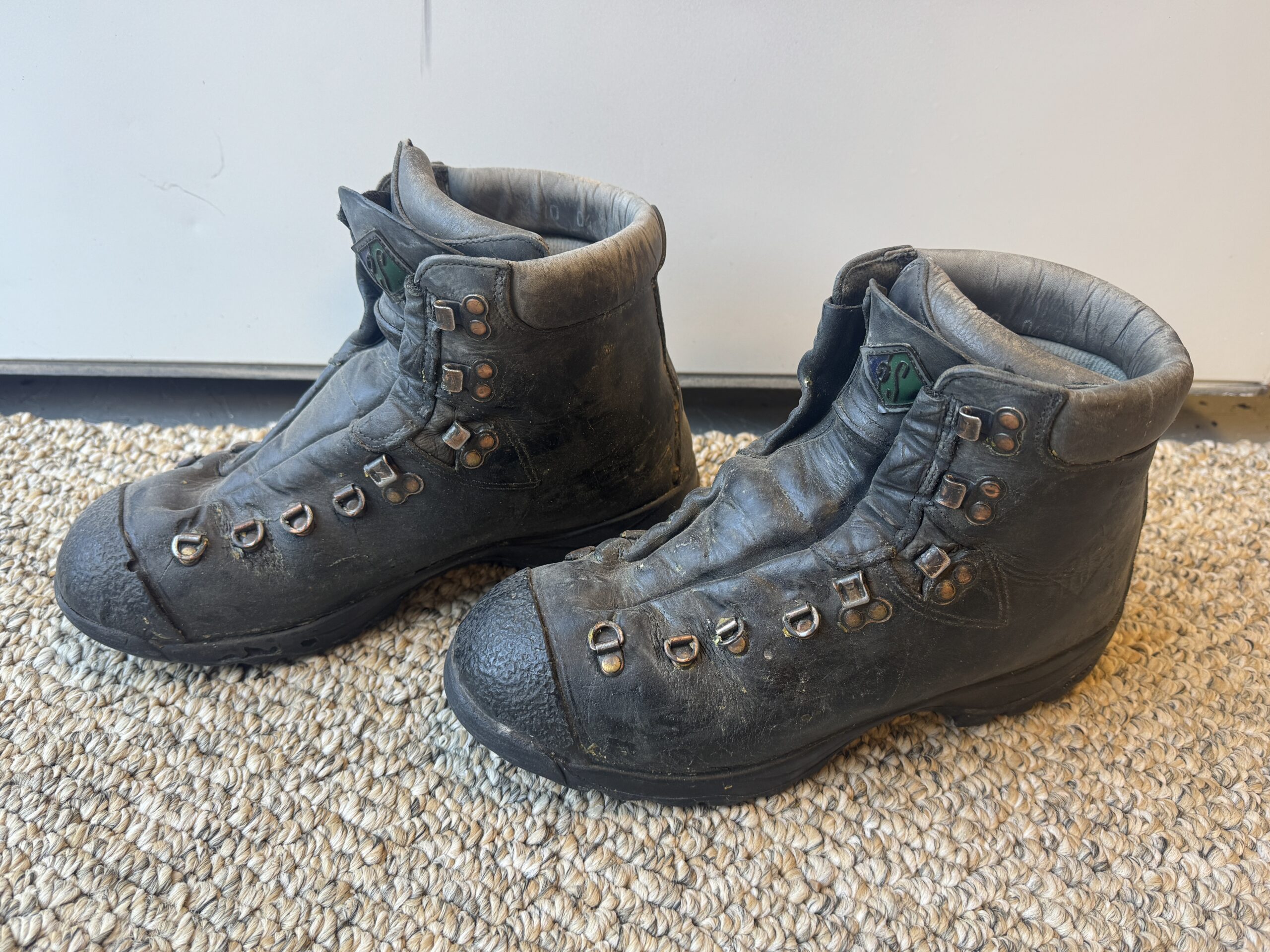
“A pound on your feet is five on your back.” That old adage actually has some science behind it. Back then, we weren’t trail runners, so when we went to the local gear shop, we were steered toward traditional big, leather hiking boots. Mine weighed in at 4.5 pounds for the pair!!!!
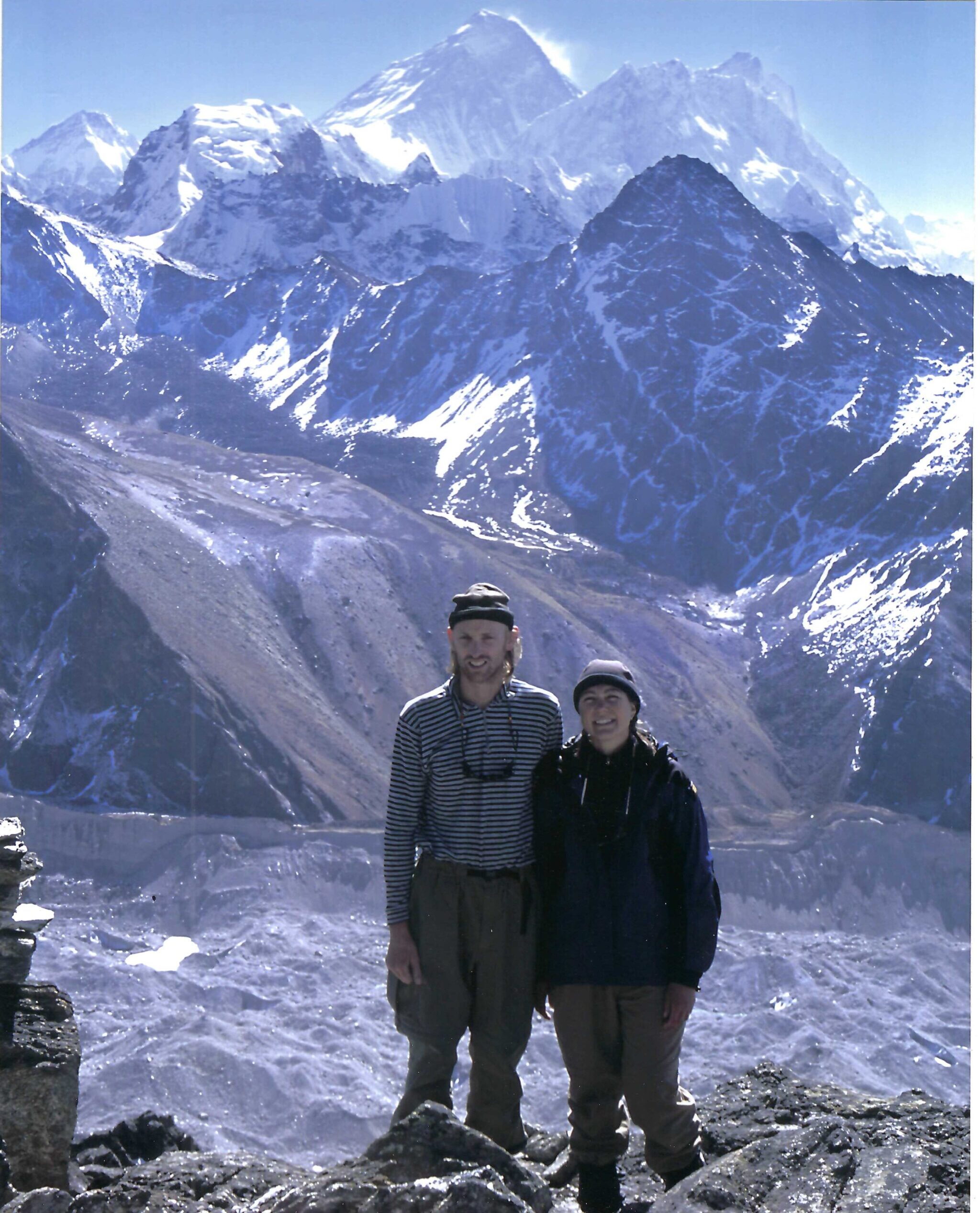
Still, we had some amazing trips across the U.S. and even through the Himalayas.
When we moved to Utah, we quickly got into trail running and ultramarathons. That shift left little time for backpacking. We were to busy training to take time out for weekend or longer backpack trips. After all, why haul a heavy pack and slog 6–10 miles in a day when we could cover 50 or more miles running? A five-day backpacking route could be done in a single push. Carrying a heavy pack became something we had little desire to do. Running long distances was incredible, but it didn’t provide the same feeling of being immersed in nature. You weren’t really “seeing” things as you moved, and you missed out on the camping experience.
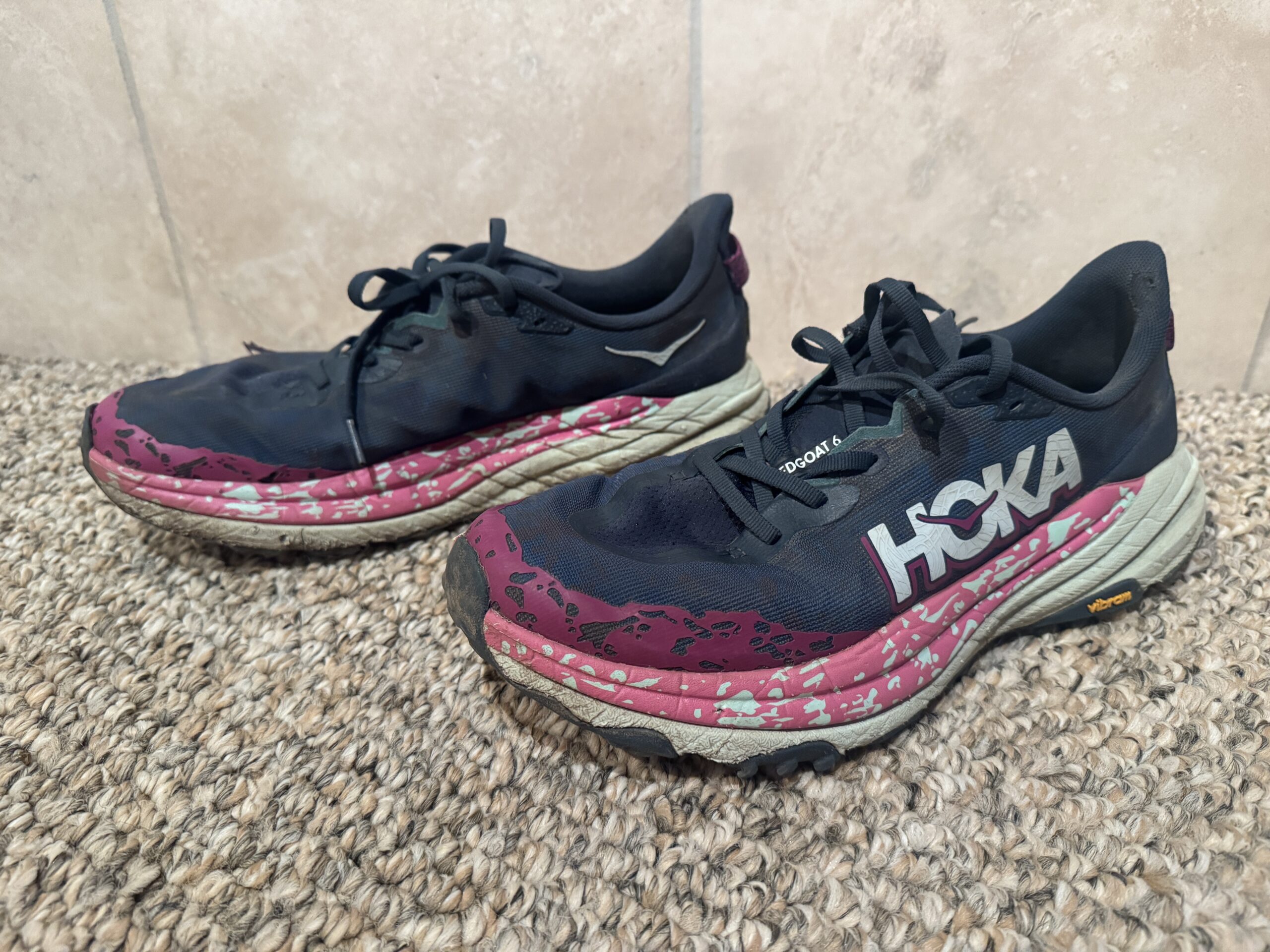
All that trail running also made us question the need for heavy boots. If you had ankle strength, core stability, and balance, you didn’t need the support of big boots. Why lug that extra weight when you could be out in a pair of 1.25 pound running shoes? That’s a 72% weight savings on your feet!
As we stepped away from the ultramarathon race scene, ultralight backpacking gear started taking off. Suddenly, with a bit of money (usually more than a bit), you could buy incredibly lightweight and functional equipment. With this new gear, our weekend backpacks—with food, water, and supplies—weighed just over 15 pounds. That’s like a 65% reduction!!!

With lightweight kits, what once required a weeklong trip could now be done in a weekend. Do you really need a heavy tent when you can sleep under the stars?
Why not take advantage of seeing the stars all night, not just before you zip yourself into a tent.

So much has changed in 28 years—from gear innovations that make lightweight trips possible, to the fitness that allows us to cover 30 or more miles in a day, to simply redefining what “fun” looks like (for us, it’s not carrying a 50-pound pack).
Backpacking isn’t dying—it’s evolving. With lighter packs and better gear, we’re free to go farther, move faster, and actually enjoy the journey. The mountains are still calling. The only thing that’s changed is how much easier it is to answer.
Leave a Reply